
Gut health and microbiome in elite sport: digestion under load
Gut health and microbiome in elite sport: digestion under load
Everyone knows them: digestive problems during sport. Diarrhoea, constipation, bloating and stomach cramps. No one really likes talking about them, yet they are incredibly common. So, what lies behind these symptoms, and how can you use good gut health to enhance your performance? You’ll find out here.
The article Relative Energy Deficiency in Sport: When RED-S Holds Back Your Performance I mention that insufficient energy intake can negatively affect gut health. As gut health plays a central role in achieving optimal performance, this article takes a closer look at exactly that.
Everyone knows them: digestive problems during sport. Diarrhoea, constipation, bloating and stomach cramps. No one really likes talking about them, yet they are incredibly common. So, what lies behind these symptoms, and how can you use good gut health to enhance your performance? You’ll find out here.
Microbiome and gut health
Microbiome
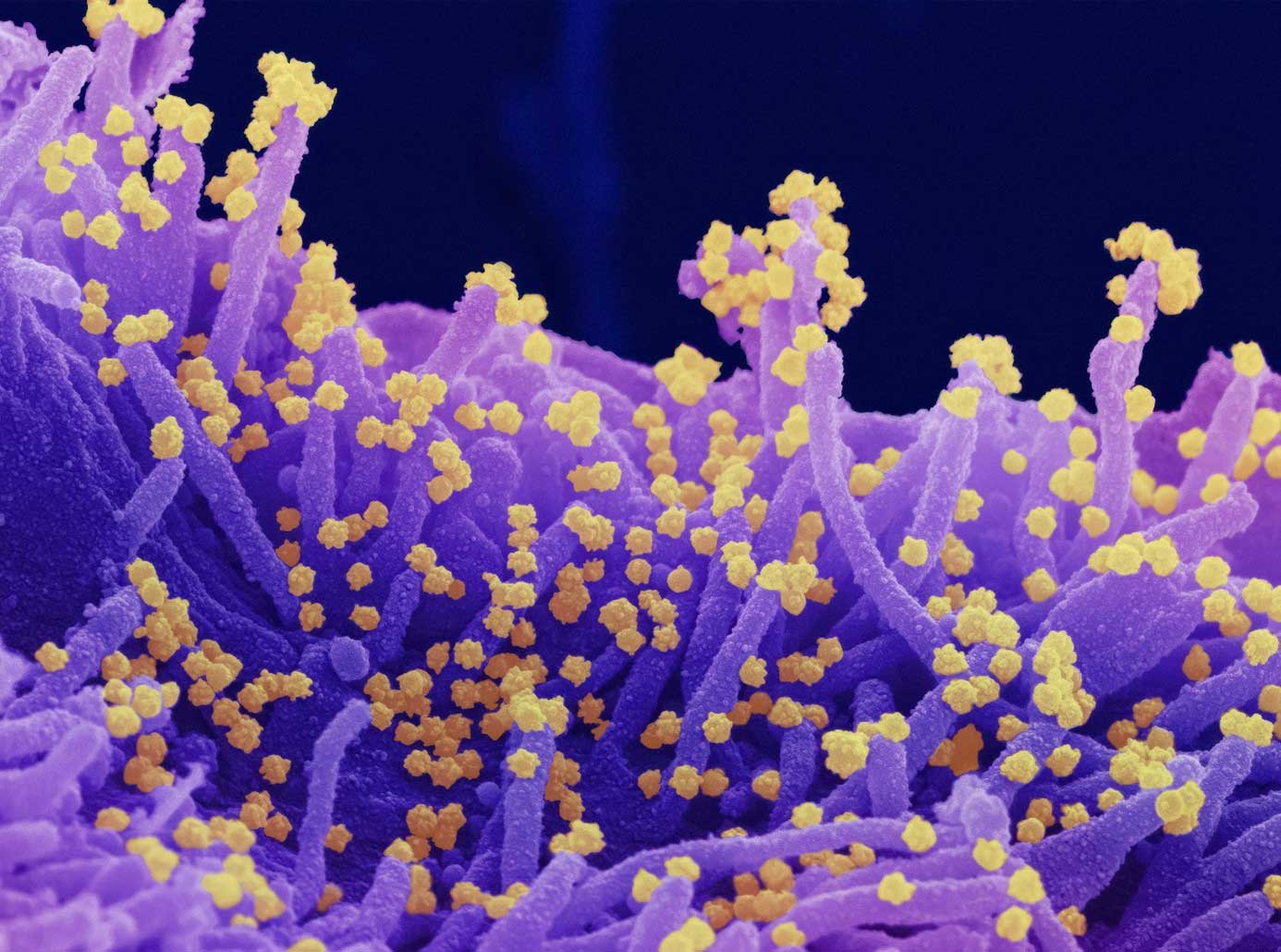
The microbiome, more specifically the gut microbiome, is the collective term for all the microorganisms (bacteria, fungi and viruses) living in the gut. These organisms are essential for our health. They are not only involved in digestion, but also in the production of numerous substances that are vital to the body, including neurotransmitters, hormones and short-chain fatty acids.
Dysbiosis
Dysbiosis occurs when the healthy balance of the microbiome is disrupted, which can have a significant impact on both performance and health.
Gut barrier
The gut barrier acts as a protective shield, keeping harmful substances out while allowing nutrients to pass through. This is regulated by structures known as tight junctions, which can open and close as needed.
Leaky gut
In leaky gut, the opening and closing mechanism of the tight junctions is disrupted, allowing potentially harmful substances to pass through the intestinal wall. This can occur temporarily, for example, during endurance exercise under physical stress.¹ Note: Leaky gut does not mean that the gut literally becomes “full of holes”.
Short chain fatty acids (SCFAs)
SCFAs are important metabolic products, such as butyrate, which are produced by gut microbes when they break down dietary fibre. SCFAs provide energy and help to reduce inflammation.
Gut health and performance sport
Recovery
A healthy gut acts as a boost for recovery: inflammation is reduced through the production of SCFAs, sleep is regulated, immune processes are positively influenced, oxidative stress is reduced, and healthy hormonal regulation is maintained.²
A healthy gut supports the mitochondria, the powerhouses of our cells, which provide the muscles with energy in the form of ATP.
Silent Inflammation: A healthy gut helps to regulate inflammatory processes.
Hard training, overtraining and energy deficits (RED-S) can contribute to leaky gut.
Gut health and training
Gut-muscle-axis
Studies suggest that the gut microbiome has a significant influence on muscle function. This means that processes such as muscle protein synthesis, muscle growth and adaptation, regulation of inflammation, mitochondrial function, energy metabolism, repair and recovery are also influenced by the gut.³
Gut-brain-axis
The gut–brain axis influences mental resilience, stress tolerance, motivation during competition, mood and sleep quality.
GALT (Gut-associated lymphoid tissue)
Around 80% of the immune system is located in the gut. A healthy gut therefore plays a major role in protecting the body against infections.
Gastrointestinal Ischaemia
During intense exercise, blood flow to the gastrointestinal tract is reduced in favour of the working muscles, which can contribute to leaky gut. A strong and healthy gut is better equipped to cope with this stress and can therefore support athletic performance.
The gut and its microbiome are therefore key elements in maintaining and building both health and performance. Nutritional counselling with a targeted strategy to support gut health can provide a significant boost to athletic performance.
¹https://sportaerztezeitung.com/rubriken/ernaehrung/4945/leaky-gut/
²https://www.mdpi.com/2072-6643/18/14/2403
Carlone, Junior; Sgrò, Paolo; Parisi, Artillio; Fasano, Alessio: „From Mechanism to Practice: Gut-Microbiome based strategies for supporting recovery in elite athletes“, Nutrients 18 (2026), 2403, DOI: 10.3390/nu18142403.
³https://pmc.ncbi.nlm.nih.gov/articles/PMC12363516/#s0003
Yan, Chao; Yao, Yilang; Zhang, Zhaobo; Li, Fanqinyu; Fan Danyang; Liu, Wen; Fan, Xinhao; Xu, Lingna; Liu, Yanwen; Wang, Shilong; Hu Mengling; Yang, Yalan; Tang, Zhonglin: „Gut microbiota-mediated betaine regulates skeletal muscle fibre type transition by affecting m6A RNA methylation and Myh7 expression“, 2025 Aug 18;17(1):2545434. doi: 10.1080/19490976.2025.2545434
About the author: Friederike Dietzmann berät in der Gesundheitspraxis Eifel-Ahr in Bad Neuenahr-Ahrweiler zu Ernährung und Sport.