Nutrition during long rides - well fed during 4 hours on the road
Nutrition during long rides - well fed during 4 hours on the road
A mate asked me what fuelling looks like on long bike rides, for example rides lasting four hours or more. It’s actually not that complicated. Let’s get started.
Breakfast
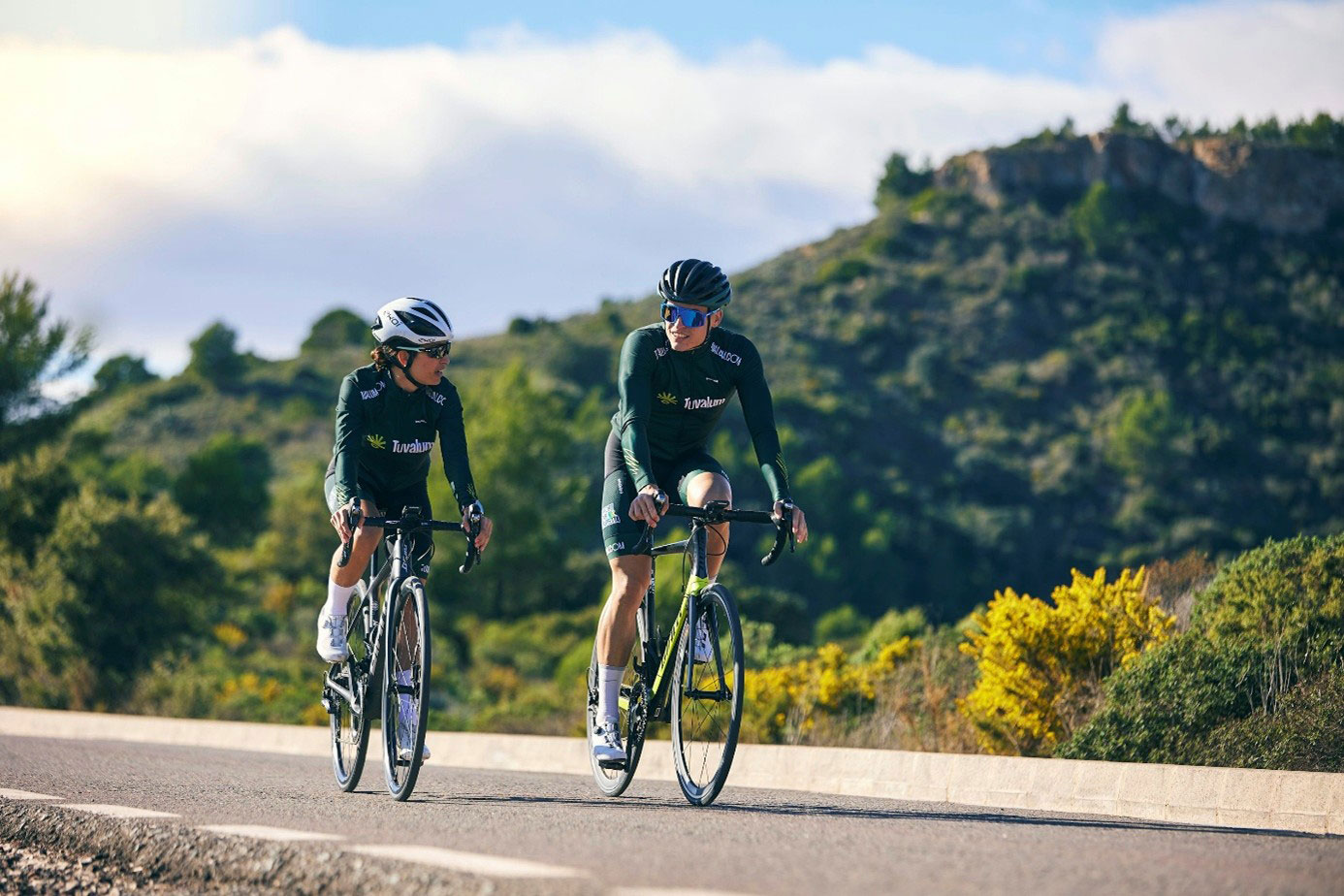
Let’s assume it’s an endurance ride rather than a stage of the Tour de France. The intensity is therefore moderate, perhaps with the odd hill along the way. Let’s make it a Sunday ride, which means you can have a relaxed breakfast beforehand. Aim to have breakfast around 90 minutes to two hours before setting off, giving your body plenty of time to digest it.
The foods have been chosen to provide you with plenty of nutrients, help avoid blood sugar fluctuations and support your gut. The total comes to around 700–900 kcal.
Most people have one or two cups of coffee in the morning and perhaps a glass of juice. As long as you’re not adding anything extreme — a litre of full-fat milk or loads of sugar in your coffee, for example — there’s no need to count those calories either.
The quantities are deliberately not set in stone. I’m with Max Walscheid on this one: no weighing required 😉
Here are a few options:
1) Oat muesli
100–150 g of oats with milk, yoghurt or quark — ideally soak the oats overnight.
Berries, banana, apple, depending on your preference
A handful of nuts, a tablespoon of nut butter or some seeds (pumpkin seeds, for example).
A drizzle of maple syrup or rice syrup, to taste.
2 The good old Nutella sandwich
2 slices of proper sourdough bread (this is important. No white bread, white rolls or, heaven forbid, toast…)
Cream cheese or butter
Nutella
Yoghurt with a banana, berries and apple
3) Savoury buckwheat porridge
100–150 g buckwheat semolina or flakes (cook the semolina in approx. 500–750 ml of water)
Gomasio* to taste
Butter
200 g cottage cheese with 1 tbsp of linseed oil and a pinch of salt
*Gomasio is toasted sesame seeds ground together with salt. I always keep a big jar of it in the cupboard. Toast 200 g of sesame seeds in a frying pan, then grind them together with 20–30 g of salt in a mortar and pestle.
Out on the road
During the ride, aim for 60–90 g of carbohydrate per hour. There are various ways to achieve this. In the article Carbohydrate Sources in Endurance Sports I take a closer look at how the different carbohydrate sources compare and when each one is best used. The basic principle is simple: you’re now exercising, so you need to put fuel in the tank — and that fuel needs to be readily available without putting unnecessary strain on your gastrointestinal tract. And, of course, it should taste good too. You can always opt for sports nutrition products. The advantage is that fuelling is literally what these products are designed for, so they are specifically formulated with that purpose in mind. The downside is that they can be expensive. That’s why I’m going to give you an alternative. For this example, I’m working with 300 kcal per hour, so 1,200 kcal for the ride. Again, the 1,200 kcal are not an absolute figure, but a guideline. If you need a little more, that’s absolutely fine. The goal is to have enough energy throughout the ride and to get home feeling like you have an appetite, but aren’t starving — and still have enough energy to do something with the rest of your day. You shouldn’t be completely wiped out and hanging around on the sofa for the rest of the day.
One quick note: the 1,200 kcal we’re aiming for are not the calories you’ll burn. Your energy expenditure over the four hours will certainly be higher. However, there is a limit to how much energy you can take in during exercise. That’s why it’s important to have a proper breakfast beforehand and refuel after your ride.
But now, let’s get to the fuelling. 1,200 kcal could look like this, for example:
- Sports nutrition: 4 bars (one per hour) at 220 kcal each, plus 150 g of isotonic drink powder in 2 × 750 ml bottles.
- 2 medium-sized ripe bananas, 2–3 cereal bars, and a grape juice spritzer made with 500 ml of grape juice, a pinch of salt and 1 litre of still water (sparkling water makes a mess and gets the bike dirty…).
As I said, you’re exercising and you need fuel. The energy source your body can make the best use of is glucose. That means you can also eat gummy sweets, as they consist largely of glucose. They wouldn’t be my first choice because they often contain a lot of artificial additives, but in principle, they are absolutely fine. So, instead of two ripe bananas, you could have around 125 g of gummy sweets or something similar.
I’ll go into the differences between the various carbohydrate sources and their benefits in my next blog post. You can find out why it’s important to take in enough calories to avoid an energy deficit in this article Relative Energy Deficiency in Sport: When RED-S Holds Back Your Performance
Refuel
So, the ride is over and you’re back home. You should start replenishing your glycogen stores within the first 30 minutes afterwards. Chocolate milk is a great way to do this, for example.
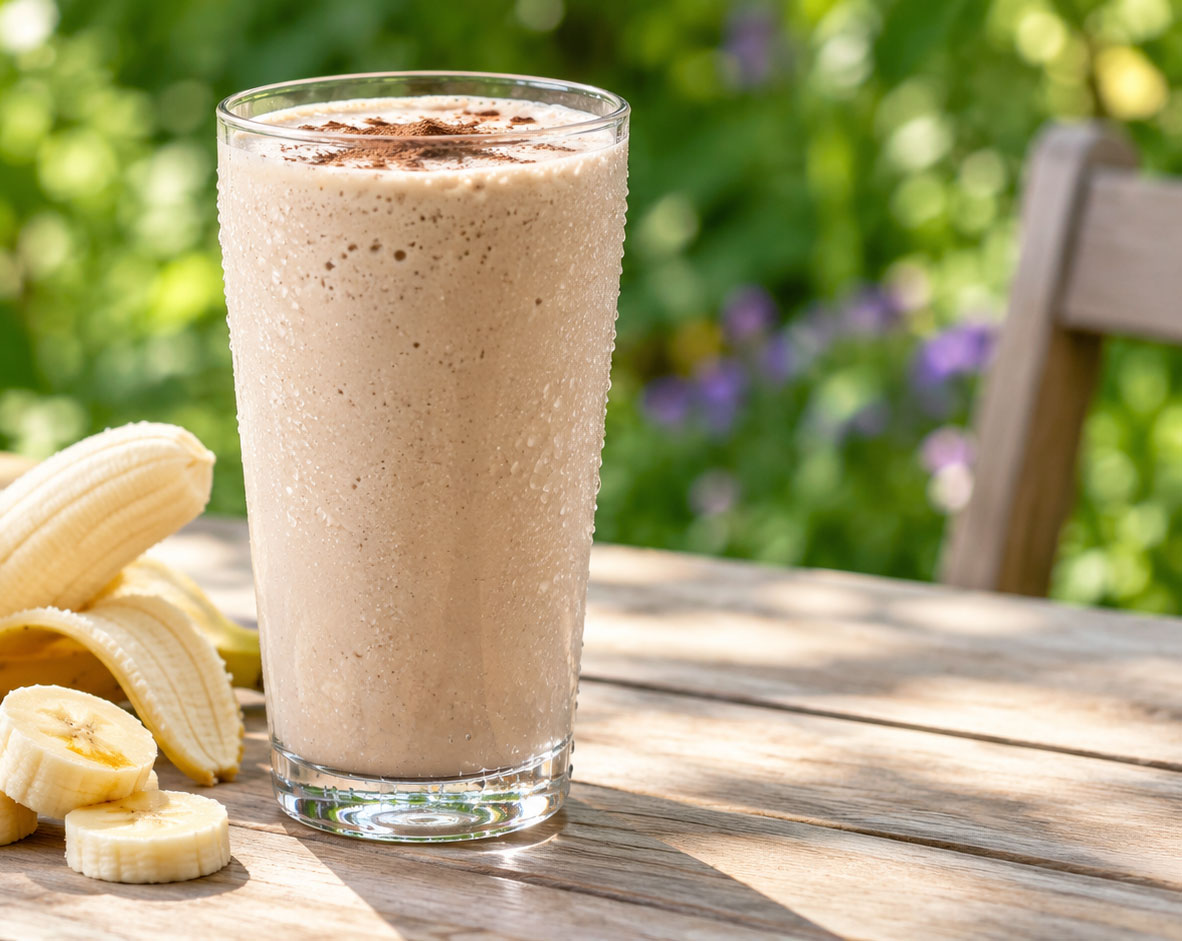
300 ml of fresh milk, a spoonful of cocoa powder (make sure you use pure cocoa powder here), 1 ripe banana and rice syrup to taste. Blend it all together and you’re done. Have one or two hard-boiled eggs as well, and you’ve got yourself a good post-ride meal for the time being.
——-