
Bars, Gels or Just a Banana? – Carbohydrate Sources for Endurance Sports
Bars, Gels or Just a Banana? – Carbohydrate Sources for Endurance Sports
Energy bars, gels, isotonic drinks, electrolytes, bananas, jelly babies????? So, what should you actually choose? The range of sports nutrition products is huge, the advice is varied, and at the end of the day, everyone is left confused.
It’s actually quite simple. Here’s a quick overview of what sets the different carbohydrate sources apart, when to use each one, and two example fuelling strategies.
You can find out how to fuel yourself properly on a four-hour ride in the article Nutrition during long rides - well fed during 4 hours on the road .
Carbohydrates provide energy. The differences between carbohydrate sources lie mainly in how quickly they become available and in their density — in other words, how much carbohydrate the food contains for a given volume. The simpler the carbohydrate structure, the more quickly the body can convert it into energy, while high-carbohydrate-density sources provide more carbohydrates in a smaller volume. And, when you break it down, that’s really the whole secret.
1) Bars
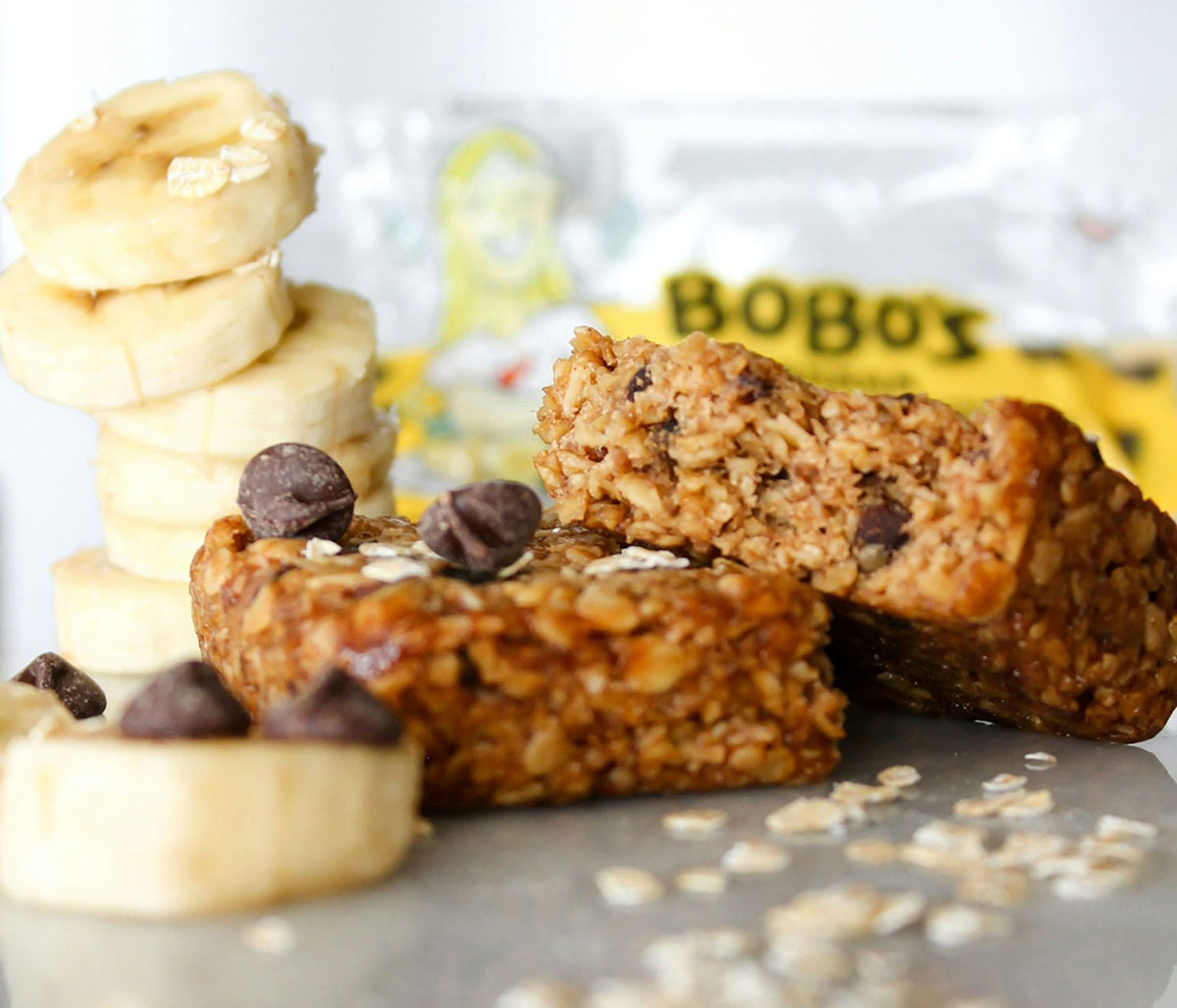
Bars are the ultimate companions. Whether you’re heading out for a long, intense ride, a relaxed spin or even a race, there’s a bar to suit every situation. They often contain more energy than gels — gels typically provide around 160 kcal per sachet, whereas some bars can contain as much as 350 kcal each. This makes them particularly practical for long rides, as you need to carry fewer of them. Bars can also be eaten in portions, which isn’t possible with gels because of their liquid consistency.
If you want to use bars during a race, I’d actually recommend opting for sports nutrition and choosing bars specifically designed for racing. They provide everything you need: easy to unwrap, easy to chew, easy to digest and well tolerated.
If you’re wondering whether you can simply buy a cereal bar from the supermarket: of course you can. And ripe bananas are always a good option too. But don’t rely on the claims on the packaging — check the ingredients list and the nutrition information instead. The main component should be carbohydrates, not fat or protein. The calorie content is important too, so you know how many bars you’ll need.
Practical tip: anything with a coating — chocolate, yoghurt or whatever else — isn’t ideal, as it melts, gets sticky and makes a mess.
2) Gel
Gels provide quickly available carbohydrates and a high carbohydrate density. They usually contain around 160 kcal per sachet, making them a good choice for hard training and racing. The catch is that you need to train your gut to handle and absorb the high amounts of carbohydrate. So if you want to use gels, start slowly and build up gradually. And don’t test anything new at full intensity.
3) Jelly babies
Gummy sweets and similar products are mainly made up of sugar in the form of glucose, so they can definitely be used during training and racing, as the glucose is very quickly available. These days, almost every sports nutrition brand offers a product along these lines.
If you’re thinking, “Hang on! Sugar??? We’ve been told for years that sugar is bad!!!!”, let me reassure you: of course, you shouldn’t be eating huge amounts of sugar in your everyday diet. But we’re talking about endurance sport here. And in this context, sugar is simply fuel — because carbohydrates are, after all, sugars. There’s no getting around that.
So, in this particular case, you have my permission to head for the sweets aisle. It wouldn’t be my first choice, simply because gummy sweets and similar products often contain quite a lot of additives. But purely in terms of their energy value, you can absolutely use them.
4) Gut Health in Sport / Digestive Issues During Exercise
Many people experience digestive problems during exercise. This is partly because blood flow is redirected away from the gastrointestinal tract and towards the muscles, and partly because of what you eat and, as mentioned above, how well your body is able to process large amounts of carbohydrate. If you’re reading this blog, you’re obviously interested in nutrition. So why not take it one step further and make sure your sports nutrition is easy on your gut? If you buy sports nutrition products, look for options with as few additives as possible. There are now manufacturers that leave out flavourings, palm fat, colourings and other unnecessary additives. Soy can often cause digestive problems, so choosing soy-free products can be a good idea. Ideally, your sports nutrition should also be gluten-free, as gluten can be an irritant for some people.
5) Possible Strategies*
Sunday Ride – 4 Hours / Endurance / 300 kcal per hour
4 bars – 100 g isotonic powder in 2 × 750 ml bottles
Interval Training – 2 Hours / 400 kcal per hour
4 gels – one bottle with 50 g of isotonic powder, one with electrolytes
*Please note that these are not absolute figures, but simply a guideline. If you need more, adjust the quantities accordingly. If you want precise figures, you’ll need to have a performance assessment carried out. Sports watches and apps only provide estimates.
That’s it in a nutshell — and certainly not an in-depth look at the subject. If you have any questions or would like to take a more targeted approach to your nutrition, feel free to get in touch or book an appointment at my practice directly.
Note: The content of this blog is intended solely to provide information and promote general health and prevention in sport. It does not constitute medical advice, diagnosis or treatment. If you have any health concerns or symptoms, please consult a doctor.
About the author:: Friederike Dietzmann berät in der Gesundheitspraxis Eifel-Ahr in Bad Neuenahr-Ahrweiler zu Ernährung und Sport.