
The Season Is Over – Now It’s Time for a Season Review
The Season Is Over – Now It’s Time for a Season Review
As the off-season begins in early October, many athletes take a short break from training. It’s the perfect opportunity to reflect on the season and take a closer look at what went well, what didn’t, and what you might want to do differently next year.

As the off-season begins in early October, many athletes take a short break from training. It gives the body time to recover and the mind a chance to reflect. What went really well? What perhaps didn’t go according to plan? What could you do differently – or better – next season? It’s time for a closer look at the season you’ve just had.
Training and Training Load
At the start of a season, you often set yourself a goal. Training is the means by which you work towards achieving it. During your season review, it’s worth taking a step back and looking at that journey – and at the factors that shaped the course of your season. Success isn’t simply about winning or setting a personal best. It’s also about how you felt, both physically and mentally, along the way.
• Did I choose the right training goal?
• Did I achieve my training goals?
• Were there periods when my performance plateaued or declined despite training?
• Did I strike the right balance between hard training and recovery?
• Did I have enough proper rest days?
• How did I feel physically and mentally throughout my training?
Take your time answering these questions and be honest with yourself. Your answers can provide valuable insights into what worked well and what you might want to maintain, change or improve in the future.
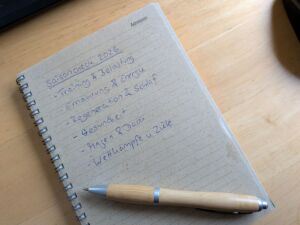
Nutrition and Fuelling
The right nutrition is about more than simply success or failure. It plays a key role in keeping your body healthy and strong. By fuelling your body properly, you give yourself the best chance of staying active and enjoying your sport for years to come.
• Did I eat enough on training days?
• Did I eat enough on rest days?
• Was my carbohydrate intake appropriate for the training load?
• Was I fuelling properly during long training sessions?
• Did I rigorously monitor my weight throughout the season?
• Were there periods of unusual fatigue or a drop in performance?
This is an area that deserves a particularly close look. Training and recovery both require energy. Especially when training loads are high, it can be difficult to judge how much energy your body actually needs. Even on rest days, your body needs energy for recovery, metabolism and adapting to the demands of previous training. Consistently low energy intake can impair recovery, health and performance development. You can find out more in my article about Relative Energy Deficiency in Sport: When RED-S Holds Back Your Performance
Recovery and Sleep
It’s no secret that recovery plays a major role in your ability to perform. Yet it is often the first thing to be neglected. That’s why it’s worth taking a moment to ask yourself a few questions.
- How well did I recover between training sessions?
- How is my sleep quality?
- Was I frequently tired?
- How capable and resilient did I feel in everyday life?
- Did I allow enough time to recover after long or intense training sessions?
- Do I strike a good balance between everyday commitments, training and recovery?
You can find out more about the importance of recovery for your physical and mental performance in my article After the Season Comes the Next Season: Why Recovery Is So Important in Endurance Sports
Health and Physical Signals
A season cannot be judged solely by wins, personal bests or training performance. Just as important is how you felt physically and mentally, and whether you stayed healthy throughout the season.
- Were you often ill?
- Did you have any injuries?
- Did you experience any recurring symptoms or complaints?
- Did you experience any unusual fatigue?
- Did you notice any changes in your performance or overall wellbeing?
- Were there any significant changes in your blood test results?
If you’ve developed any health concerns or noticed anything unusual, it’s important to get to the bottom of the underlying causes. Listen to the signals your body is giving you. That isn’t a sign of weakness. It’s a sign of being smart and professional about your health and performance.
Gut Health, Digestion and Tolerance
Your gut can be a useful indicator of whether things are going in the right direction or whether something needs to change. Gastrointestinal problems are common in endurance sport and can have a significant impact on performance, particularly during long or intense efforts. So this is another area worth looking back at: what worked well, and where did you experience recurring problems?
• Did you experience any gastrointestinal problems during training?
• How well did you tolerate sports drinks, gels and bars?
• Did you experience any gastrointestinal symptoms during long training sessions or events?
• How were your nutrition and digestion in everyday life?
• Have you developed any food intolerances that you didn’t have before?
You can find out more about the link between gut health and performance in my article Gut Health and the Microbiome in Elite Sport – How Your Gut Can Enhance Performance
Competitions and Personal Goals
As mentioned at the beginning, training is the means by which you work towards a goal. There are also several aspects of your training that are worth taking a moment to reflect on.
• Which competitions went well?
• Was the number of competitions right for me?
• Where did my performance fall short of expectations?
• Were your goals realistic?
• Was your preparation appropriate?
• What worked well in competition – and what didn’t?
What will I take forward into next season?
Once you’ve taken the time to work through everything carefully, you’ll have created your own personal guide for the new season. Everything that worked well – and everything that didn’t – gives you valuable information to build on going forward.
What worked well?
What didn’t work as well?
Things I want to change next season:
What is my goal?
As you can see, a little self-reflection can go a long way. So take the time to look honestly at your season. Sometimes, that’s the most important step you can take towards improving your performance.
About the author: Friederike Dietzmann berät in der Gesundheitspraxis Eifel-Ahr in Bad Neuenahr-Ahrweiler zu Ernährung und Sport.
Note: The content of this blog is intended solely for informational purposes and to promote general health and prevention in sport. It does not constitute medical advice, diagnosis or treatment. If you have any health concerns, please consult a doctor.